


Programs & Services
Services We Provide
Trusted Care for Residents in Long-Term Care
Personal Care
Personal Care Services Definition
Personal care services are hands-on services that assist a person with critical day-to-day activities that they are unable to perform on their own. Often referred to as Activities of Daily Living (ADLs) or Instrumental Activities of Daily Life (IADLs), these services will frequently be enough to allow a person to remain in their own home, rather than transfer to assisted living or a nursing home.
Examples of Personal Care Services
Personal in-home care services include a wide range of both ADLs and IADLs. These are all extremely basic and crucial needs that, if not met, would compromise a person’s ability to live safely at home on their own.
What are ADLs?
ADLs are activities that we perform daily that are instrumental to our happiness, health and survival. If we view ADLs from the perspective of a personal care attendant (attendant), these are all hands-on services that require physical assistance.
Some ADL examples include:
Bathing – this would also include other daily personal hygiene tasks, such as oral care.
Dressing – both getting dressed and choosing appropriate clothing.
Eating – the act of consuming food and using cutlery but not actually preparing meals.
Mobility – being able to get in and out of bed, and to move around the house independently.
Using the Restroom – this includes the ability to get on and off of a toilet, as well as cleaning oneself.
What are IADLs?
IADLs are activities that are not instrumental to survival but are crucial to a person’s well-being and quality of life. They are also the key to a person’s ability to live on their own long-term. IADLs can be thought of as hands-off services, as they don’t require the attendant to make physical contact.
Some IADL examples include:
Errands – grocery shopping, trips to the pharmacy and clothes shopping.
Healthcare – managing all aspects of healthcare, including making and remembering to go to doctor visits, and taking medications as prescribed.
Meal Prep – this includes preparing meals as well as meal planning.
Housekeeping – cleaning the home, taking out the trash and doing laundry.
Communication – being able to properly use the telephone and computer to communicate.
Transportation – being able to drive, take public transportation or hire cabs, in order to get to doctor visits, social functions, etc.
Managing Finances – paying bills on time, writing checks and performing basic banking tasks.
Extracurricular Activities – socializing, going to church or enjoying hobbies.
Many of these IADL tasks can be handled by local family and friends, or some services might be handled by an outside party, such as an accountant.

Companion Care
What Is Companion Care?
According to the Department of Labor, a companion is someone who provides care for an older adult or disabled younger person by providing “fellowship,” which means engaging them in social, physical or mental activities, and “protection,” which means monitoring their safety inside and outside of the home. While the companion may also assist the client with activities of daily living (ADLs), such as dressing or bathing, they spend most of their time keeping them company or making sure they’re safe in their home.
There’s no specific training or certification for companions, but individuals hired through home care agencies may receive first aid and cardiopulmonary resuscitation (CPR) training. Home care agencies are generally regulated by the state, and there may be regulations specific to your locale regarding training. Additionally, some home care agencies may provide specialized training on topics like dementia. Family members or clients hiring independent companions can use their companions’ first shifts to make sure they know what’s expected of them, including the client’s routines and what to do in case of an emergency.
While a companion’s specific duties depend on their client’s individual preferences and needs, there are several tasks they might perform, including:
Light housekeeping
Driving the client to doctor appointments or errands
Offering conversation and friendship
Assistance with bathing
Running errands for the client
Accompanying clients for walks or assisting with exercise
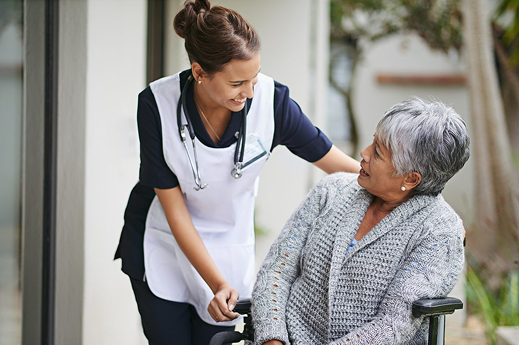
Home Care
Home health is a wide range of health care services that you can get in your home for an illness or injury. Home health care is usually less expensive, more convenient, and just as effective as care you get in a hospital or skilled nursing facility (SNF).

Specialized Care
What Is Home Specialized Care?
Now, home specialized care leans more into the non-medical side of things. It’s for people who need help with daily living but don’t require medical treatment.
Think of home specialized care as personal support for a person that is tailored according to their physical and cognitive needs.
What Does Home Specialized Care Include?
Some services under specialized care include:
Bathing, grooming, and dressing assistance.
Helping with getting in and out of bed.
Meal preparation and feeding support.
Companionship for seniors with dementia.
Light housekeeping and errands.

Respite Care
What Is Respite Care?
Caregiving is not easy — not for the caregiver and not for the person receiving care. The ongoing demands of taking care of someone else can strain even the most resilient person. That’s why it’s critical for caregivers to ask for help and take a break when they need it.
Respite care provides short-term relief for primary caregivers, giving them time to rest, travel, or spend time with other family and friends. The care may last anywhere from a few hours to several weeks at a time. Respite care can take place at home, in a health care facility, or at an adult day care center.

STAFFING IN NURSING HOMES
Staffing Agencies
Staffing agencies in long-term care are intermediaries that connect qualified candidates with healthcare organizations, offering solutions for both temporary and permanent staffing needs. They specialize in sourcing, vetting, and placing professionals in clinical and administrative roles within hospitals, clinics, and other care facilities. These agencies maintain extensive databases of pre-screened candidates and cater to both short-term needs, such as covering staff absences, and long-term requirements, like filling permanent leadership positions. By leveraging their industry expertise and networks, they streamline the hiring process, ensuring a seamless match between candidates and employers.
Family Involvement
Research supports that family involvement during a nursing home stay can help ensure that the facility provides quality care. But how can a family member get involved in the care of a loved one? Under the Nursing Home Reform Law of 1987, when a person is admitted to a nursing home, family members have the right to be involved with the care of their loved one, unless the resident states that they do not want family involvement.
Volunteers
Volunteers are vital to our nonprofit’s ability to fulfill its mission. Therefore, volunteer recruitment is crucial for acquiring the support that will ensure our long-term success. Most notably, volunteers benefit our organization by:
Keeping it running. By offering their time and skills for free, our committed volunteers provide a significant resource that helps our nonprofit move forward with its mission.
Increasing our donation revenue. Not only can volunteers spread the word about our mission, but they can also become donors themselves.
Volunteering positively affects overall health of both volunteers and recipients through social interaction, support and physical activity. Health professionals’ volunteering has considerable potential to improve health outcomes in communities.

We Are All In: How About You
Here are five good reasons to give to charity:
- Giving to charity makes you feel good
- Giving to charity strengthens personal values
- Giving is more impactful than ever
- Giving can reintroduce friends and family to the importance of generosity
- Giving to charity builds and strengthens community

Join Our Walk A Thon
Participating in charity events is a powerful way to make a tangible difference in the community. Here are some reasons why you should consider attending such events.
By participating in charity events, you not only contribute to the cause but also have the opportunity to connect with others who share your values and passions. It’s a win-win situation for everyone involved, whether you’re a donor, volunteer, or simply looking to make a positive impact on your community.

Become An Advocate
Advocates for the elderly examine issues that pose challenges for older adults and strive to improve their living conditions. Nursing home elder abuse, lack of access to medication and healthcare, and transportation challenges are a few examples of difficulties that some older adults face. Advocates help the elderly by focusing on pressing issues and creating greater public awareness. You can become an advocate for seniors by helping them individually where they live, spreading information and generating interest in your community, and working to encourage new policies that protect the elderly.
Help Us Recruit More Caregivers
To inquire about volunteer opportunities at Positive Healthcare Outlook, please call 918-852-0547.
Don’t Hope For Change: Be The Change
Be the Change in Helping End Elderly Abuse
To be the change in helping end elderly abuse, individuals can take several proactive steps:
Educate and Train: Equip organizations and caregivers with knowledge on recognizing signs of elder abuse and how to respond appropriately. Training programs should include intervention strategies, reporting protocols, and support services.
Establish Safe Policies: Ensure that every organization working with older adults has a clear abuse prevention policy, including screening volunteers and staff, implementing reporting procedures, and ensuring accountability at all levels.
Encourage Open Conversations: Foster a culture of trust and transparency where older adults know their voices matter.
Support Caregivers: Provide respite care, mental health support, and education for caregivers to reduce stress and improve overall care quality.
Report and Advocate: If you suspect elder abuse, report it to local authorities or support organizations. Advocacy efforts, such as policy changes and public awareness campaigns, are crucial in strengthening protective measures.
By taking these steps, individuals can contribute to creating a world where every elderly person is valued and protected. Let’s break the silence, stand up for justice, and ensure that the golden years of life are lived in safety and dignity.

Home Health Care

Administrator and Medical Team
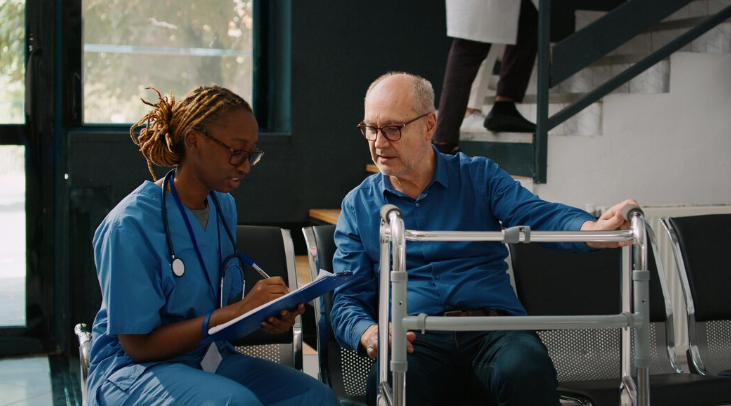
Elderly man with walker

Resident in wheelchair at window
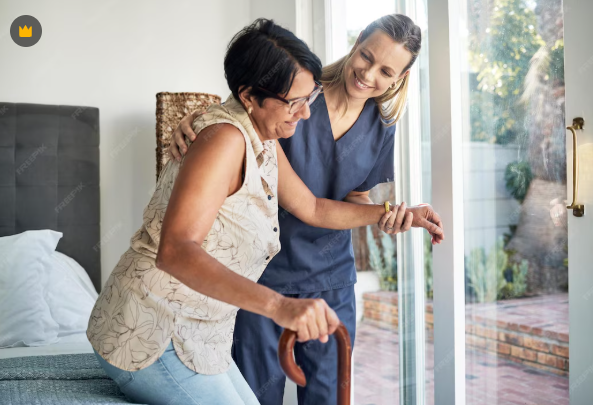
Resident on bed with cane
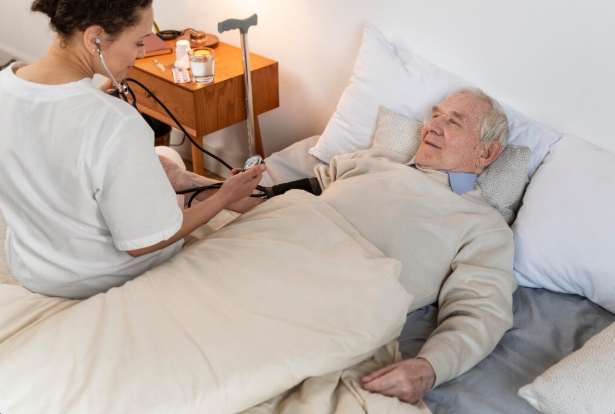
Sick resident in bed

Sick resident with family around bed

African American nurses in front of door

Nurses outside

Nurse with arm raised

Nurse with heart sign